Pantry
How to Organize a Small Pantry (Step by Step)
A simple, room-by-room system for turning a cramped pantry into a calm, easy-to-shop space — with the containers and bins that make it stick.
This guide contains affiliate links; I may earn a small commission at no extra cost to you.
1. Empty it and sort fast
Pull everything out and group as you go: baking, breakfast, snacks, cans, grains. Toss anything expired. You can’t organize around clutter, and seeing it all at once tells you how much storage you actually need.
2. Decant the staples
The single biggest visual win is moving flour, sugar, pasta, cereal, and rice into matching airtight containers. They stack, they keep food fresh, and a uniform set instantly makes a small pantry look calm.
3. Corral the rest in bins
Loose packets and cans get lost. Group them into clear bins by category — “snacks,” “baking,” “breakfast” — so the whole shelf becomes a few neat zones instead of dozens of stray items.
4. Use vertical space
Add a tiered can rack so you can see the back row, and a lazy Susan for oils and sauces in corners. In a small pantry, every inch of height counts. If a turntable is the piece you’re missing, the lazy Susans in my kitchen cabinet guide are the sturdiest ones for corners and deep shelves.
Best pantry organizers: the five that do the work
Everything above comes down to a handful of items. These are the exact ones I'd start with for a small pantry — airtight canisters for staples, clear bins for everything else, and a turntable to rescue the corner.
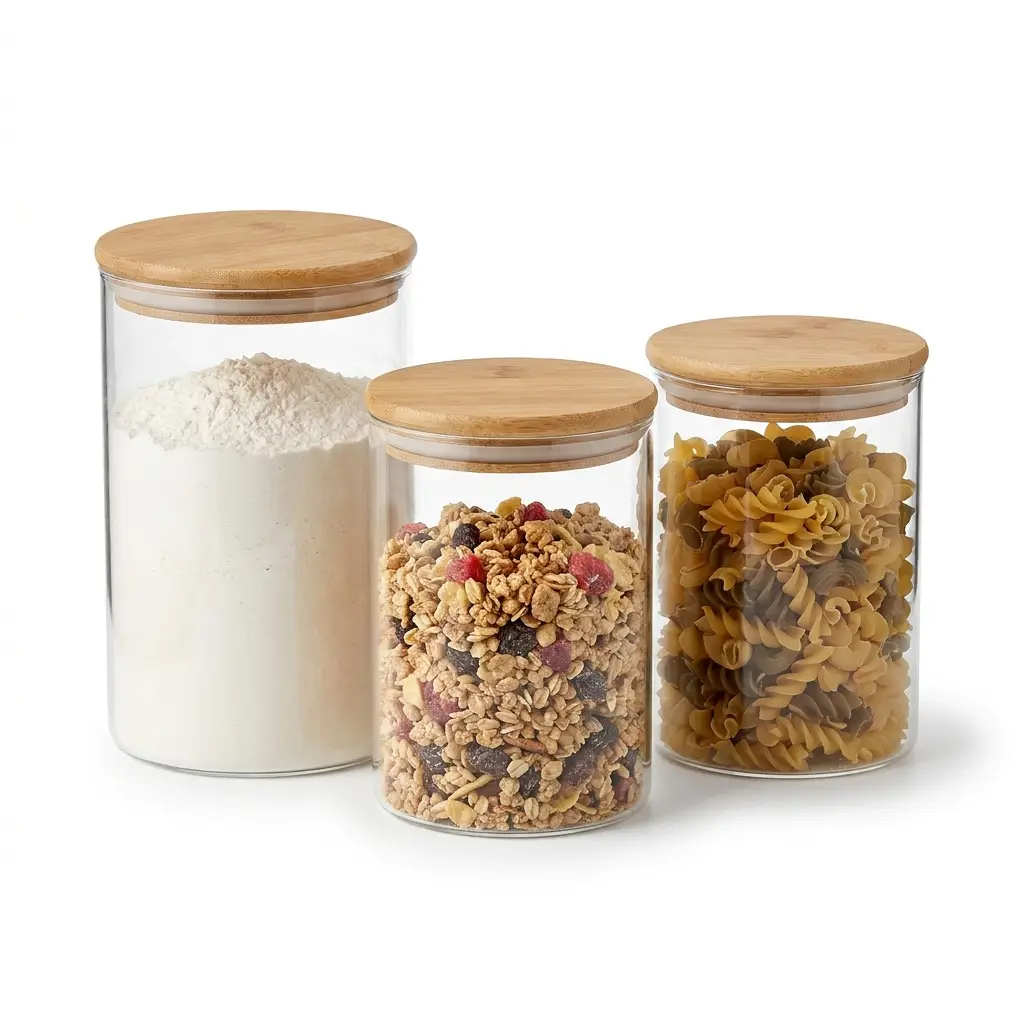
Rubbermaid Brilliance Pantry Set (10-Piece)
Best for Most pantries
Airtight canisters that keep staples fresh and the shelf calm.
Check price on Amazon →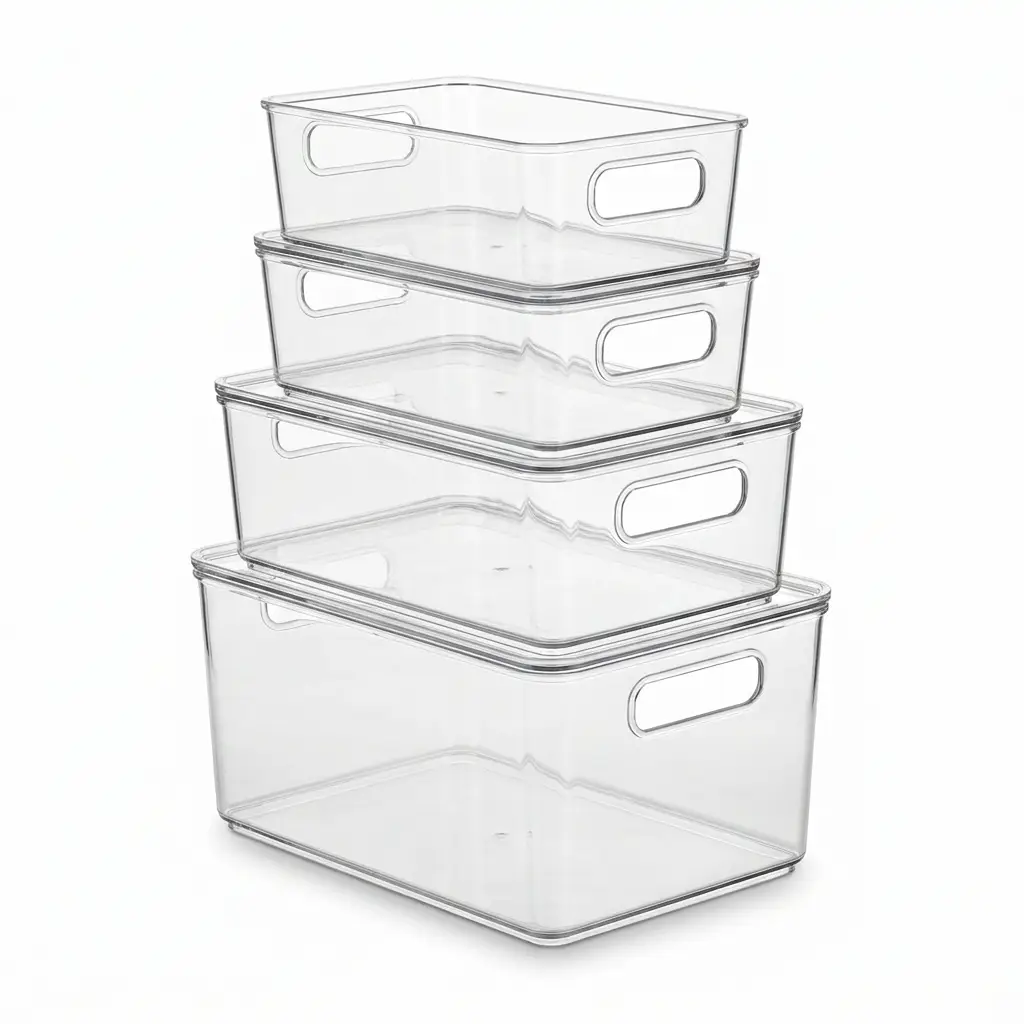
ClearSpace Clear Storage Bins
Best for Corralling packets & cans
Pull-out bins that corral packets, cans, and snacks into zones.
Check price on Amazon →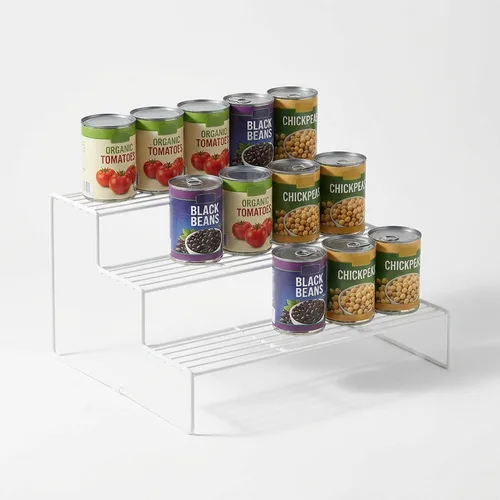
YouCopia ShelfSteps Can Organizer
Best for Seeing the back row of cans
Tiered steps so you can see the back row of cans at a glance.
Check price on Amazon →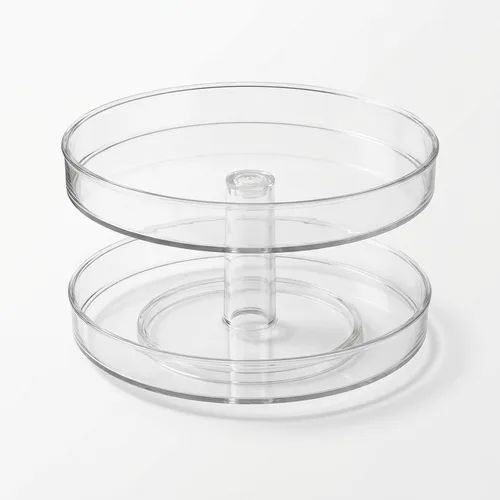
LAMU 2-Tier Lazy Susan Turntable
Best for Spices and condiments
Two tiers that fit short and tall spice jars at once.
Check price on Amazon →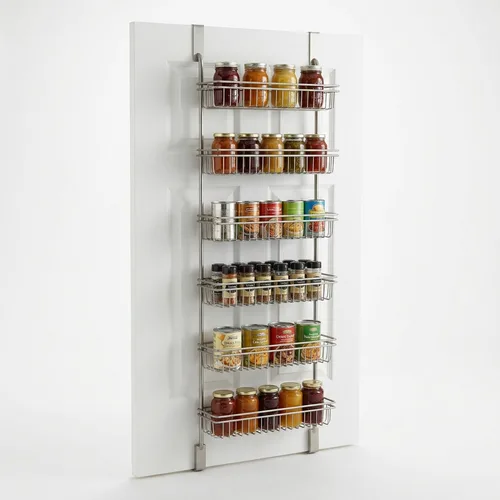
BUKFEN 6-Tier Over-the-Door Pantry Organizer
Best for The back of the pantry door
Turn the back of the door into a 6-tier pantry rack.
Check price on Amazon →| Pick | Best for | Material | Why it made the list |
|---|---|---|---|
| Rubbermaid Brilliance Pantry Set (10-Piece) | Most pantries | Tritan plastic | Crystal-clear, 100% airtight |
| ClearSpace Clear Storage Bins | Corralling packets & cans | Clear plastic | Pull-out bins with handles |
| YouCopia ShelfSteps Can Organizer | Seeing the back row of cans | Plastic | Three stepped tiers |
| LAMU 2-Tier Lazy Susan Turntable | Spices and condiments | Clear plastic | Two tiers, spins smoothly |
| BUKFEN 6-Tier Over-the-Door Pantry Organizer | The back of the pantry door | Metal | Six adjustable baskets, no drilling |
5. Label and keep it up
Label bins and containers so everyone puts things back in the right place. A quick 5-minute reset each week is what keeps a small pantry organized for good.
Ready to buy? The best pantry organizers are in the shortlist above — airtight canisters, clear bins, a can rack, a shelf riser and a turntable, which between them fix almost any small pantry.
Back to the best pantry organizers →
Frequently asked questions
How do I organize a small pantry step by step?
Empty the pantry and sort everything into groups like baking, snacks, cans, and grains, tossing anything expired. Decant your staples into matching airtight containers, corral the rest into labeled bins by category, add tiered racks and a lazy Susan to use vertical and corner space, then label everything and do a quick 5-minute reset each week to keep it that way.
What are the best containers for a small pantry?
Matching airtight canisters are best for staples like flour, sugar, pasta, cereal, and rice — they stack, keep food fresh, and a uniform set instantly makes a small pantry look calmer. For everything else, use clear bins grouped by category so loose packets and cans stay contained and visible instead of getting lost at the back.
How do I make the most of vertical space in a small pantry?
Add a tiered can or spice rack so you can see the back rows instead of stacking items where they disappear, use a lazy Susan turntable in corners and for oils and sauces, and hang an over-the-door organizer for packets and wraps. In a small pantry every inch of height counts, so build upward before you spread out.
How can I organize my pantry on a budget?
You do not need a matching designer set to get results. Decant staples into containers you already own, use inexpensive clear bins or dollar-store baskets to zone each shelf, and repurpose small boxes as dividers. The biggest wins — sorting, grouping into categories, and labeling — cost almost nothing.
How do I keep a small pantry organized long term?
Label your bins and containers so everyone in the house puts things back in the right zone, and shop your pantry before buying more so it does not overflow. A quick 5-minute reset once a week — straightening bins and checking for expired items — is what keeps a small pantry organized for good.