Kitchen
How to Organize Kitchen Cabinets (Step by Step)
A practical, cabinet-by-cabinet system — risers, pull-outs, lazy Susans, and dividers that make everything in your kitchen reachable.
This guide contains affiliate links; I may earn a small commission at no extra cost to you.
1. Empty one cabinet at a time
Don’t tear the whole kitchen apart at once. Work one cabinet at a time: pull everything out, wipe the shelf, and toss anything expired, chipped, or duplicated. Seeing a single cabinet empty tells you how much you actually need to store — and keeps the project from stalling halfway.
2. Group by how you cook
Store things where you use them: pots near the stove, baking gear near the counter you bake on, everyday dishes near the dishwasher. Group like with like — all the food storage containers together, all the bakeware together — so you’re never hunting across three cabinets for a lid.
3. Reclaim the vertical space
Most cabinets waste the air between shelves. A shelf riser doubles a shelf for plates and cans, and a pot-lid rack stands lids upright instead of letting them slide into a clatter. For the cabinet of tangled food-storage lids, a dedicated lid organizer is a five-minute fix that pays off every day.
4. Make the back of the cabinet reachable
Deep base cabinets swallow whatever’s in the back. A lazy Susan spins oils and sauces right to your hand, and a pull-out under-sink organizer turns the awkward cabinet around the pipes into usable, slide-out storage. If you only buy two things for your cabinets, make it these.
5. Sort the drawers
Drawers descend into chaos faster than anything. Drop in drawer organizers — an expandable tray for cutlery, tension dividers for deep drawers, and a small grippy tray for the junk drawer — and suddenly every utensil has a lane. It’s the single most satisfying part of the whole job.
Best drawer organizers, lazy Susans and under-sink pull-outs
You don't need to kit out the whole kitchen. A riser to double a shelf, a lid rack, a lazy Susan for the deep cabinet, a pull-out for under the sink, and a drawer tray cover the problems in almost every kitchen.
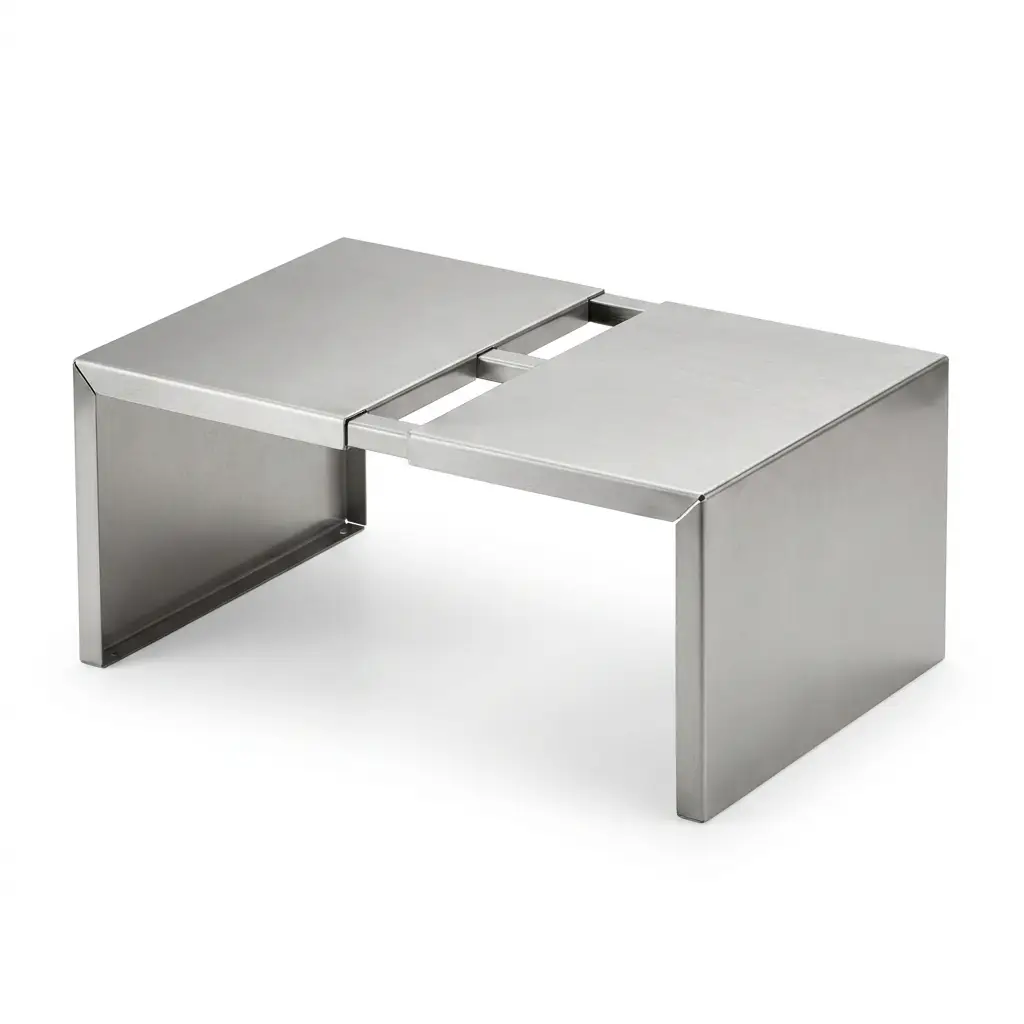
Expandable Cabinet Shelf Riser
Best for Tall, wasted shelf gaps
Adds a second level inside cabinets for cans and spices.
Check price on Amazon →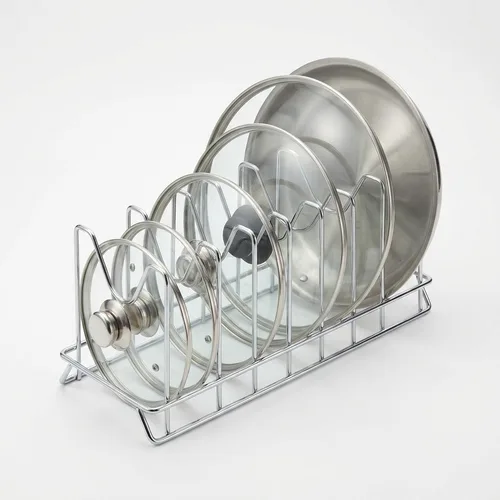
Toplife Adjustable Pot Lid Organizer Rack
Best for Pot lids and bakeware
Adjustable dividers that stand pot lids and bakeware upright.
Check price on Amazon →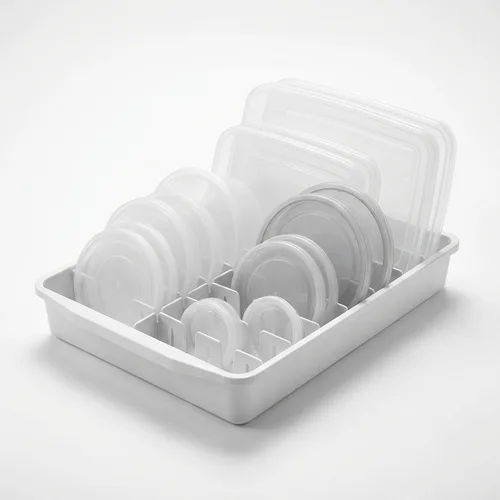
YouCopia StoraLid Food Lid Organizer
Best for Food-container lids
Adjustable dividers that finally tame the container-lid chaos.
Check price on Amazon →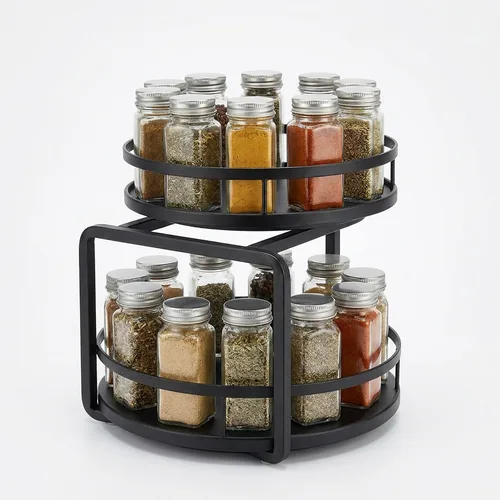
2-Tier Adjustable Metal Lazy Susan
Best for Oils and tall bottles
Sturdy metal turntable that clears tall oil and sauce bottles.
Check price on Amazon →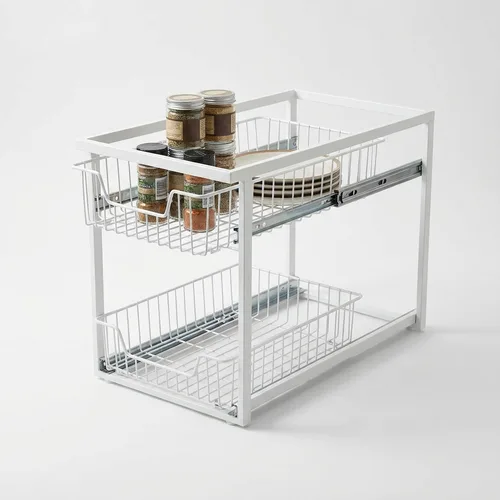
Pull-Out Cabinet Drawer Organizer
Best for Deep lower cabinets
A slide-out shelf that brings the back of the cabinet to you.
Check price on Amazon →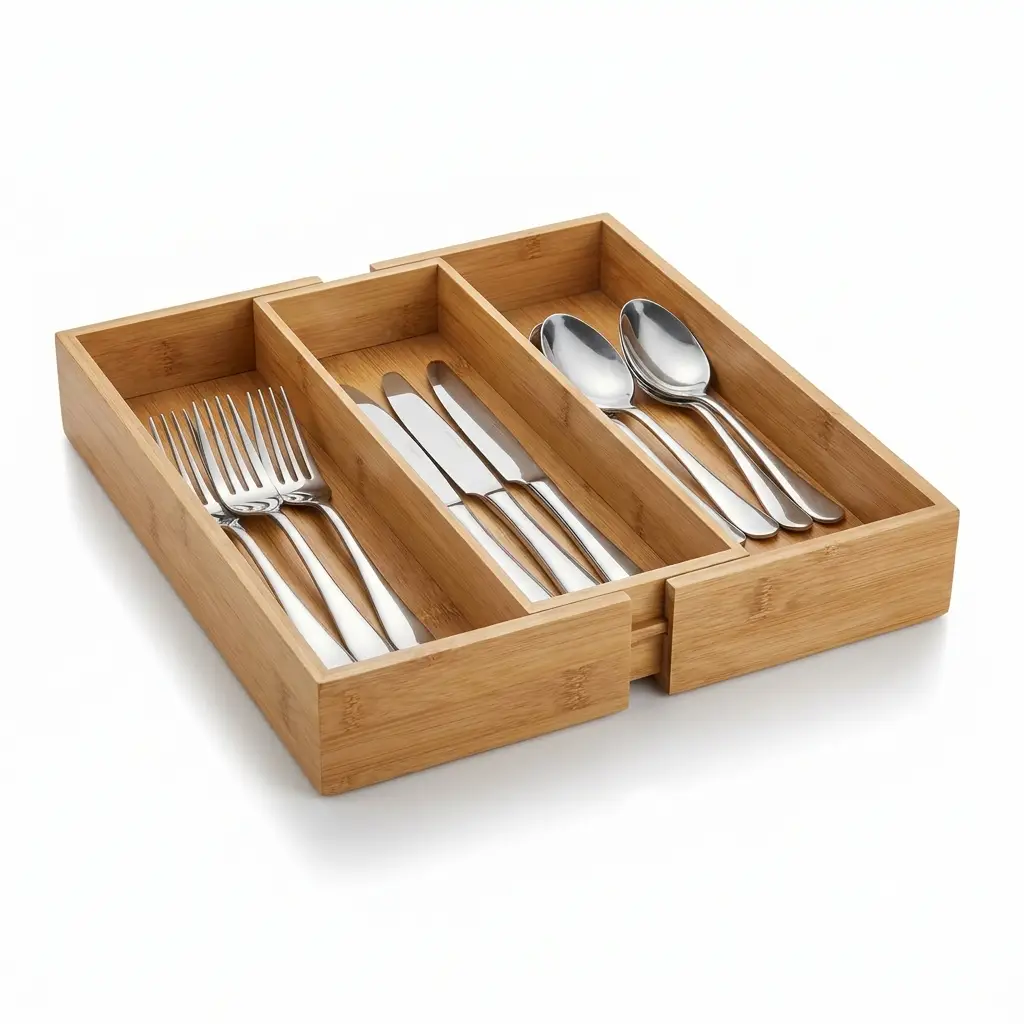
Pipishell Bamboo Drawer Organizer
Best for Most kitchens
Expandable bamboo dividers that sort utensils in any drawer.
Check price on Amazon →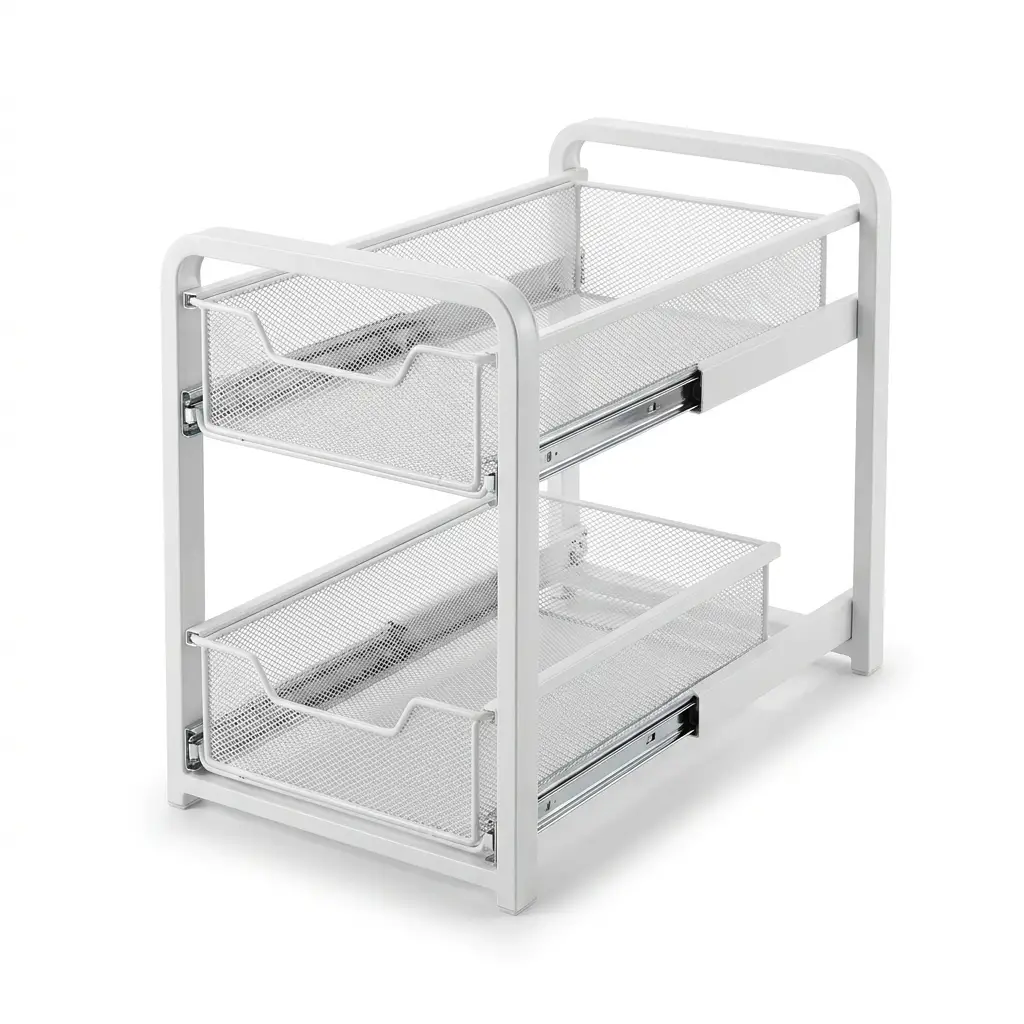
2-Tier Pull-Out Under-Sink Cabinet Organizer
Best for Most cabinets
Sliding drawers that fit around the P-trap and pull right out.
Check price on Amazon →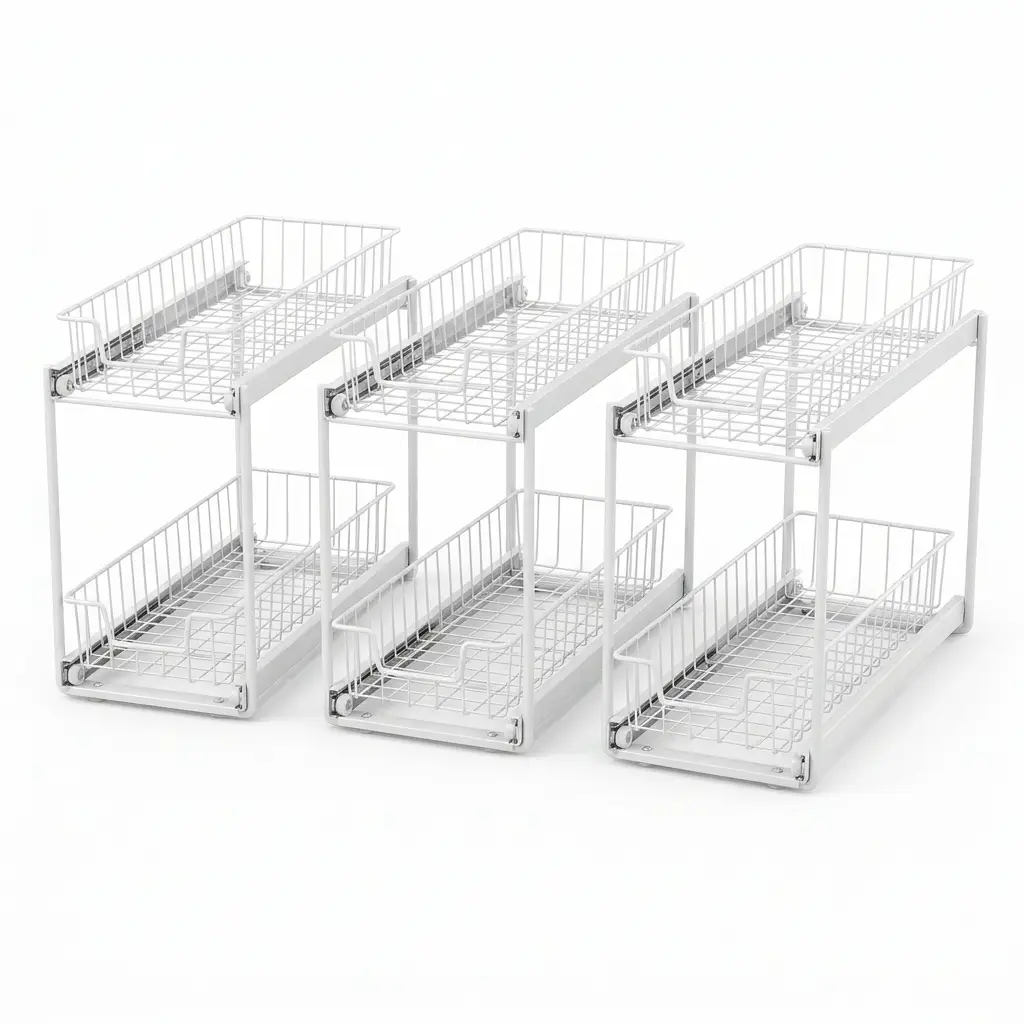
3-Pack 2-Tier Pull-Out Organizers
Best for Whole-home
Three pull-out organizers in one set, so you can outfit the kitchen and both bathroom cabinets at once.
Check price on Amazon →| Pick | Best for | Material | Why it made the list |
|---|---|---|---|
| Expandable Cabinet Shelf Riser | Tall, wasted shelf gaps | Metal | Expandable, stackable second level |
| Toplife Adjustable Pot Lid Organizer Rack | Pot lids and bakeware | Metal | Adjustable dividers stand lids upright |
| YouCopia StoraLid Food Lid Organizer | Food-container lids | Plastic | Adjustable dividers sized for lids |
| 2-Tier Adjustable Metal Lazy Susan | Oils and tall bottles | Powder-coated metal | Adjustable height, sturdy metal |
| Pull-Out Cabinet Drawer Organizer | Deep lower cabinets | Metal | Slides out so the back row comes to you |
| Pipishell Bamboo Drawer Organizer | Most kitchens | Bamboo | Expands to fit any drawer |
| 2-Tier Pull-Out Under-Sink Cabinet Organizer | Most cabinets | Steel & plastic | Sliding pull-out drawers |
| 3-Pack 2-Tier Pull-Out Organizers | Whole-home | Plastic | Three units in one set |
6. Keep counters clear and label what hides
A clear counter makes the whole kitchen feel organized. Move daily-use items into easy cabinets and stash the rest with a quick label so everyone puts things back. A two-minute weekly reset keeps your newly organized cabinets that way for good.
Ready to shop? The best drawer organizers, lazy Susans and under-sink pull-outs are all in the shortlist above — eight pieces that fix almost every cabinet in a kitchen.
Back to the best drawer organizers →
Frequently asked questions
How do I organize my kitchen cabinets step by step?
Work one cabinet at a time — empty it, wipe it, and toss anything expired or duplicated. Group items by how you cook (pots near the stove, baking gear near the counter), add shelf risers and a pot-lid rack to reclaim vertical space, put a lazy Susan and a pull-out organizer in deep base cabinets, sort drawers with dividers, then keep counters clear and do a quick weekly reset.
How do I make deep kitchen cabinets more usable?
Deep base cabinets swallow whatever's at the back. A lazy Susan spins oils and sauces right to your hand, and a pull-out under-sink organizer turns the awkward cabinet around the pipes into slide-out storage. Shelf risers double the usable height for plates and cans.
Where should I store things in my kitchen cabinets?
Store things where you use them: pots near the stove, baking gear near the counter you bake on, and everyday dishes near the dishwasher. Keep like with like so every category has one obvious home and you're never hunting across three cabinets for a lid.
What's the cheapest way to organize kitchen cabinets?
The highest-impact steps are free: empty one cabinet at a time, declutter, and group items by how you cook. Then add only a few inexpensive pieces where they earn their keep — a shelf riser, a pot-lid rack, and drawer dividers.
How do I keep kitchen cabinets organized long term?
Label anything that's hidden so everyone puts it back in the right spot, and keep daily-use items in the easiest-to-reach cabinets. A two-minute weekly reset keeps newly organized cabinets that way for good.